The ReMembering and ReEnchanting Podcast
Conversations
Conversations with amazing people connecting what is all too often disconnected
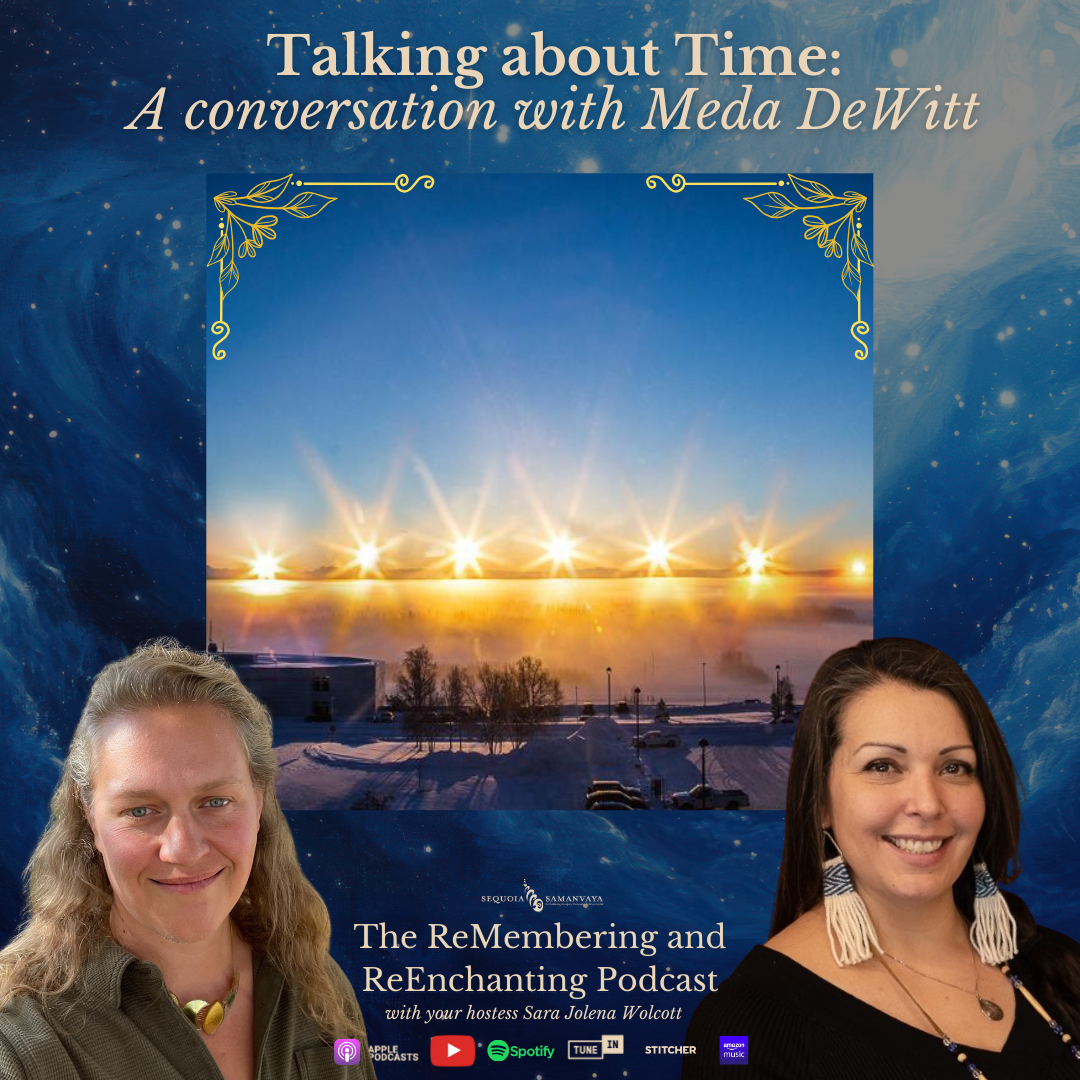
In this episode, Sara Jolena talks with Meda Dewitt, a Lingit traditional healer, ethno-herbalist, educator, and artist from the Tlingit culture. Together, they explore themes of the perception of time in western and Indigenous cultures, the importance of storytelling, and the impact of seasonal changes on life. This includes the contrast between Native time and what Meda refers to as "managed time," emphasizing the need for balance. The episode concludes with reflections on the personal and the collective in a rapidly changing world.
Subsections
00:00 - Introducing Meda DeWitt
02:11 - Cultural Identity and Language
05:40 - Understanding Time in Indigenous Cultures (with a focus on Tlingit)
10:09 - The Nature of Storytelling and Memory
18:40 - Cycles of Life and Nature
25:31 - Native Time vs. Clock Time
27:47 - Navigating Between Clock Time and Organic Time
31:04 - The Impact of Managed Time on Well-being
35:28 - The Reckoning of Time in a Capitalistic Society
38:12 - Finding Balance in a Modern Context
43:05 Embracing Mortality and the Value of Time
51:39 - Moving Between Times
Websites:
Wilderness.org/imago
SanctuaryAnimism.org
Facebook.com/sanctuaryanimism
YouTube.com/@sanctuaryanimism
Bio
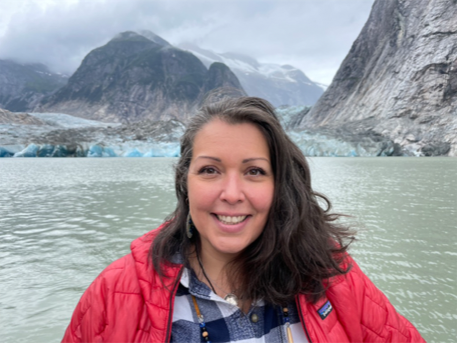
Meda DeWitt
Meda’s Tlingit names are Tśa Tsée Náakw, Khaat kła.at, and Jánwu Tláa. Her adopted Iñupiaq name is Tigigalook, and her adopted Cree name is Boss Eagle Spirit Woman. Her clan is Naanya.aayí and she is a child of the Kaach.aadi. Her family comes from Shtuxéen kwaan (now referred to as Wrangell, AK). Meda’s lineage also comes from Oregon, Washington, and the BC/Yukon Territories. Currently, she lives on Dena’ina lands in Anchorage, Alaska, with her fiancé, James Paoli, and their eight children.
Meda DeWitt is a Lingít traditional healer, certified massage therapist, ethno-herbalist, educator, and virtual and in-person events coordinator. DeWitt has an associate’s degree in science, an associate’s degree in human services, and an associate’s degree in Alaska Native Studies from the University of Alaska Anchorage. She has a bachelor’s degree in liberal studies: women’s rites of passage; a master’s degree in arts in Alaska Native traditional healing from the Alaska Pacific University; and is currently in an Indigenous studies doctoral program at Te Whare Wananga o Awanuiarangi, New Zealand.
Meda focuses on a multi-faceted approach to achieving holistic broad spectrum movement building. Meda’s work revolves around the personal credo “Leave a world that can support life and a culture worth living for.” Her work experience draws from her training as an Alaska Native traditional healer and Healthy Native Communities capacity building facilitator.
Source: medaforalaska.com
Recommended episode
